Golgi Apparatus Diagram Generator
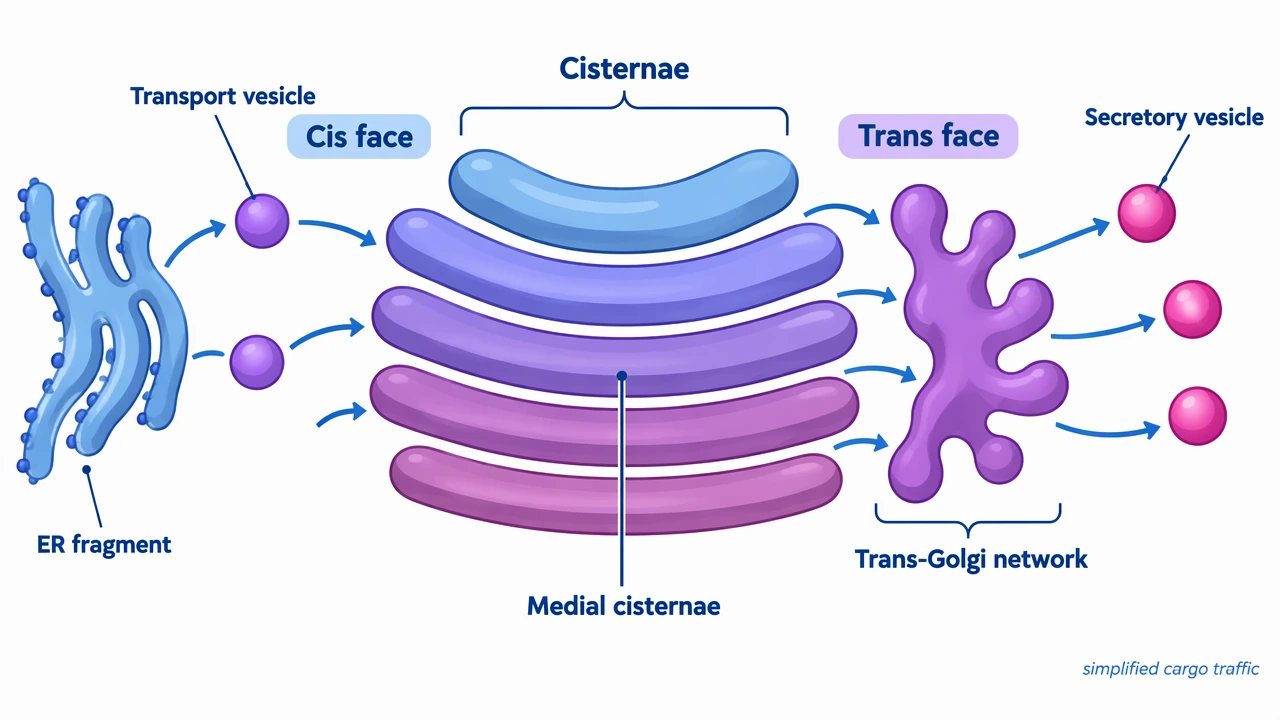
Create a labeled Golgi apparatus diagram showing cisternae, cis face, trans face and vesicle traffic. Keep the simplified model distinct from every sorting detail. Use a focused scope, review labels and connections, and keep the reference qualitative.
SEE ACADRAW IN ACTION
Science drawing, from idea to editable figure
Create a science illustration with AI. Refine drawings, build editable diagrams, and convert images to SVG.
Demos play as you scroll into view. Choose a feature to explore.
Trusted by students & researchers from 480+ universities
A global community spanning 60+ countries and regions, from QS top-ranked universities to leading research institutes























University logos belong to their respective institutions and are shown solely to illustrate our user community. They do not imply any partnership or endorsement.
Tool overview
Explore the use cases, workflow, and key things to know.
Define the scope
Choose the view, audience and labels before generating.
Keep relationships explicit
Use readable arrows, connectors or boundaries instead of decorative ambiguity.
Review before sharing
Check spelling, endpoints and claims against reliable references.
Labeled teaching reference
Golgi Apparatus reference: clear labels and relationships
Create a labeled Golgi apparatus diagram showing cisternae, cis face, trans face and vesicle traffic. Keep the simplified model distinct from every sorting detail. The original teaching illustration is schematic and does not encode measured data or guarantee factual correctness.
Flower Parts label key
Use the labels with the reference, then choose the detail level your lesson needs. On a small screen, scroll the table horizontally.
| Label or stage | Position or relationship | Meaning and drawing check |
|---|---|---|
| Petal | Outer showy whorl | Petals attract pollinators in many flowers, but color and shape vary widely. |
| Sepal | Outer protective whorl | Sepals protect the bud and may resemble petals in some species. |
| Stamen | Male reproductive structure | A stamen consists of a filament and anther. |
| Anther | Tip of a stamen | Anthers produce and release pollen. |
| Stigma | Top of the pistil/carpel | The stigma receives pollen and may be sticky or branched. |
| Style | Connects stigma to ovary | The style supports the stigma and provides a route toward the ovary. |
| Ovary and ovules | Base of pistil/carpel | The ovary encloses ovules, which develop differently after fertilization. |
Read the flower parts diagram by whorls and connections
Start with the outer whorls, then follow each stamen and the central pistil/carpel from top to base.
Scope controls meaning
A focused view is easier to read when the audience and intended lesson are explicit.
Labels need endpoints
Place each label next to the structure, role or relationship it describes.
Qualitative by default
This reference does not calculate or display a real dataset.
Common flower parts mistakes
Overloading the page
Keep secondary details in an inset or a separate figure.
Leaving relationships implicit
Label lines and boundaries so readers can follow the intended meaning.
Treating a draft as verified
Review AI-generated text and structure before publishing.
Create your own golgi apparatus diagram
Reading the reference is free. Generating a new draft requires an account and available credits. See current pricing.
Choose Science Drawing for an illustrated draft, or Editable Diagram for separate shapes and text labels. Review the science and all connections before using either result.
- 1
Choose the view
Use a cross-section when internal ovules and the ovary need to be visible.
- 2
Add the essential labels
Separate outer whorls from stamens and the central pistil/carpel.
- 3
Review botanical scope
Check each label and state that the figure is a simplified flowering-plant model.
A prompt you can adapt
Create a clean, editable educational golgi apparatus with short readable labels, generous spacing and explicit relationships. Keep the model qualitative, avoid invented measurements, and add a small scope note.
Use this prompt in the generatorGolgi Apparatus diagram FAQ
What are the main parts of a flower?
A common introductory model includes sepals, petals, stamens and a pistil or carpel.
What is the difference between anther and filament?
The anther is the pollen-producing tip; the filament supports it.
What does the stigma do?
The stigma receives pollen at the top of the pistil or carpel.
Where are ovules located?
Ovules are inside the ovary at the base of the pistil or carpel.
Is every flower shaped like this?
No. Flower structure varies by species; this is a simplified teaching diagram.
Sources and editorial notes
Prepared by the AcaDraw product team. Source and diagram check: . This is an introductory educational model; independent expert review has not been completed. Generated drafts need checking against reliable references.
Create a golgi apparatus diagram for your lesson
Choose the scope, generate a draft, then review labels and connections before sharing.
Golgi Apparatus Diagram: Cisternae & Vesicle Traffic